

The Current Landscape of UK Horse Racing: What Happens When Races Are Not On
Horse racing has long been a cornerstone of British culture, representing not just a sport but also a social event with a rich history. However, there are times when races are not on, which affects enthusiasts and bettors alike. The reasons for cancellations can range from poor weather conditions to health concerns, and they raise important questions about the future of horse racing in the UK and its implications for betting activities. For those looking for alternatives, many platforms provide UK Horse Racing Not on GamStop horse racing betting not on GamStop and can be crucial during these off times.
The Impact of Race Cancellations
When horse races are canceled, the immediate effect is felt by the trainers, owners, and riders who depend on these events for income and exposure. However, the impact extends much further, influencing the betting community and the overall racing industry. For bettors, canceled races create frustration and a lack of options. The excitement of placing bets and experiencing the thrill of the races is abruptly halted.
Reasons for Race Cancellations
There are numerous reasons why horse races might not be on schedule. Some of the most common include:
- Weather Conditions: Heavy rain, snow, or extreme heat can make a racetrack unsafe for horses. Safety must always come first, and when conditions are poor, races are often canceled.
- Health and Safety Concerns: The wellbeing of both horses and jockeys is paramount. Incidents like equine influenza outbreaks can lead to significant race cancellations as health officials take necessary precautions.
- Track Conditions: Damage to the track can occur due to heavy rains or other factors, rendering it unfit for racing. Regular maintenance is crucial to ensure that the courses remain safe.
- Logistical Issues: Sometimes, logistical challenges relating to transport or on-site facilities can affect the organization of a race meeting.
Alternatives for Bettors During Cancellations
For the avid bettor, race cancellations can seem like a major setback. However, there are alternative ways to engage with the world of sports betting even when horse racing events are on hold. Online betting platforms offer various sports and events, allowing punters to explore other betting opportunities. Moreover, many bettors are turning to platforms that specialize in betting on less mainstream events when traditional horse racing is not happening.
The Role of Online Betting and GamStop
With the advent of technology, online betting has become increasingly popular. However, many players find themselves restricted by self-exclusion programs like GamStop. This initiative aims to promote responsible gambling by allowing users to voluntarily ban themselves from participating in online betting activities. While this is a commendable measure for promoting safety, it can also limit options for those seeking entertainment during times when horse racing is not active.
Staying Informed About Upcoming Races
For horse racing fans, staying in the loop regarding upcoming events is critical. Many websites and betting platforms provide updates on race schedules, so punters can plan their strategies accordingly. Additionally, social media platforms often provide real-time updates and insights from various stakeholders in the racing industry, including trainers, jockeys, and analysts. By leveraging these resources, bettors can ensure they are well-prepared for the next event, minimizing the impact of cancellations.
Engagement with the Horse Racing Community
Even when races are not on, the horse racing community remains vibrant and engaged. Online forums and social media groups enable fans and bettors to discuss their favorite horses, share tips, and analyze past performances. This camaraderie can be a vital source of information and support, especially when traditional avenues for betting are temporarily halted.
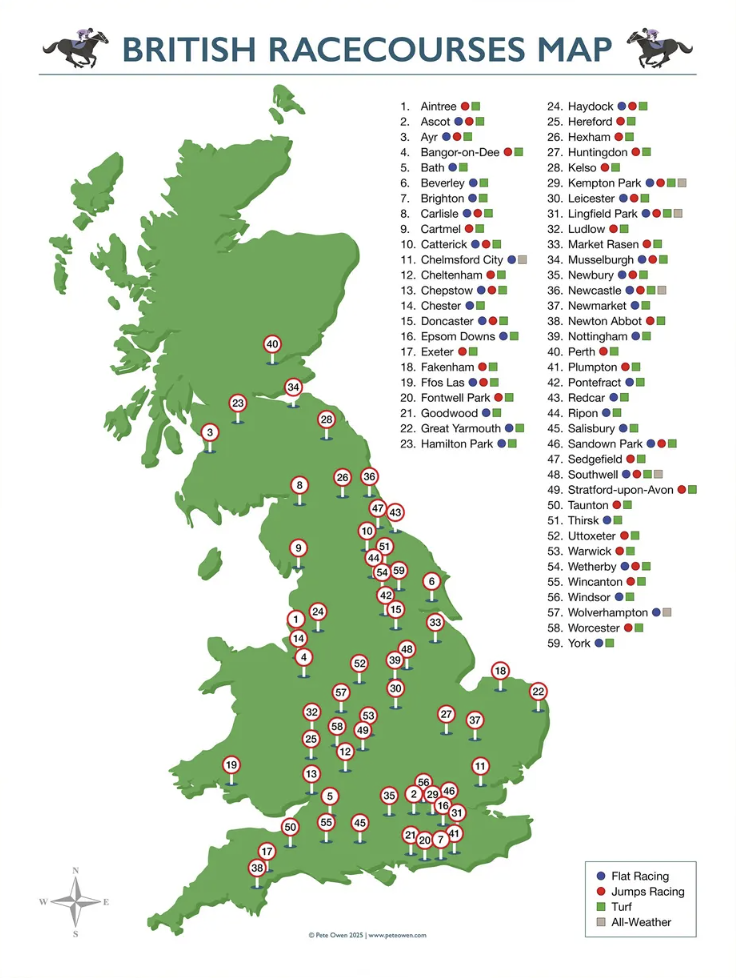
The Future of Horse Racing in the UK
Despite the occasional cancellation of races, the future of horse racing in the UK remains promising. Many believe that increased investment in the sport, alongside technological advancements in online betting and analytics, will lead to a revival of interest and participation in horse racing. Moreover, initiatives that prioritize the health and safety of both equines and jockeys signal a commitment to ensuring a sustainable future for this beloved pastime.
Conclusion
In summary, while the excitement of UK horse racing might be temporarily set aside during cancellations, various alternative avenues exist for bettors to explore. Whether through online betting platforms, engaging with the horse racing community, or staying informed about new developments, enthusia
sts can maintain their passion for the sport. As we look to the future, the resilience of the horse racing industry, combined with innovative betting options, promises to keep this age-old sport alive and thriving.