
UK horse racing is a cherished tradition that resonates with fans and punters across the nation. Yet, there are times when events are not on, and the ramifications extend far beyond a simple lack of races. To find out more about horse racing events and resources in your area, you can visit UK Horse Racing Not on GamStop www.bartonstdavid.org.uk. In this article, we will delve into what happens when horse racing is not taking place, exploring the broader impacts, alternatives for engaging with the sport, and the community aspects that help keep the spirit of racing alive.

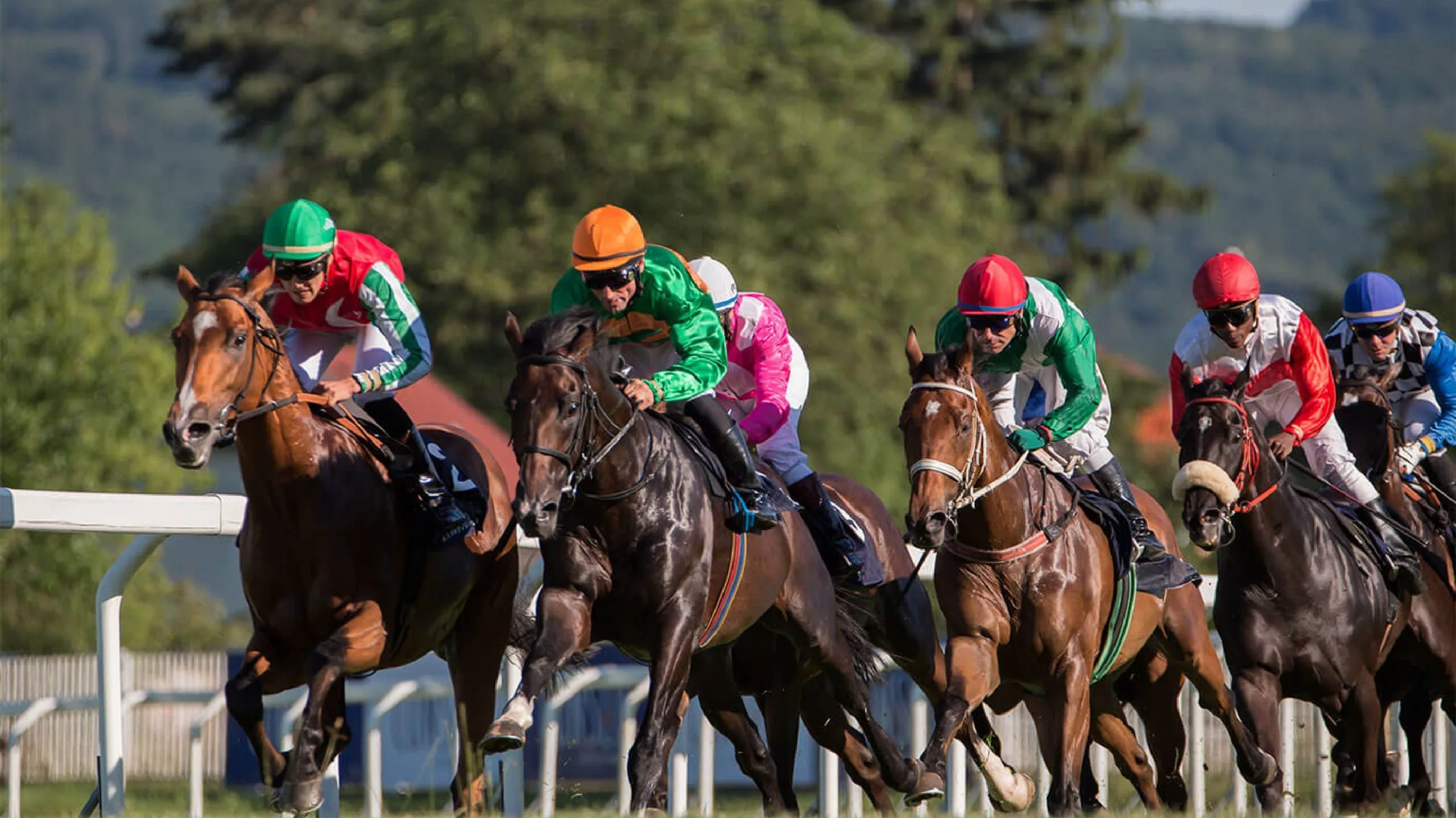
The Importance of Horse Racing in the UK
Horse racing is often referred to as the ‘Sport of Kings’ and holds a prestigious position within the sporting landscape of the UK. With iconic events like The Grand National, Royal Ascot, and the Epsom Derby, racing is deeply intertwined with British culture and heritage. The excitement of race day, the thrill of betting, and the sheer beauty of thoroughbreds make it a unique spectacle that attracts millions.
When Races Are Not On
However, there can be a multitude of reasons why races may not be scheduled. From adverse weather conditions to logistical issues, and even the effects of public health crises, these interruptions can pose significant challenges. The absence of races not onl
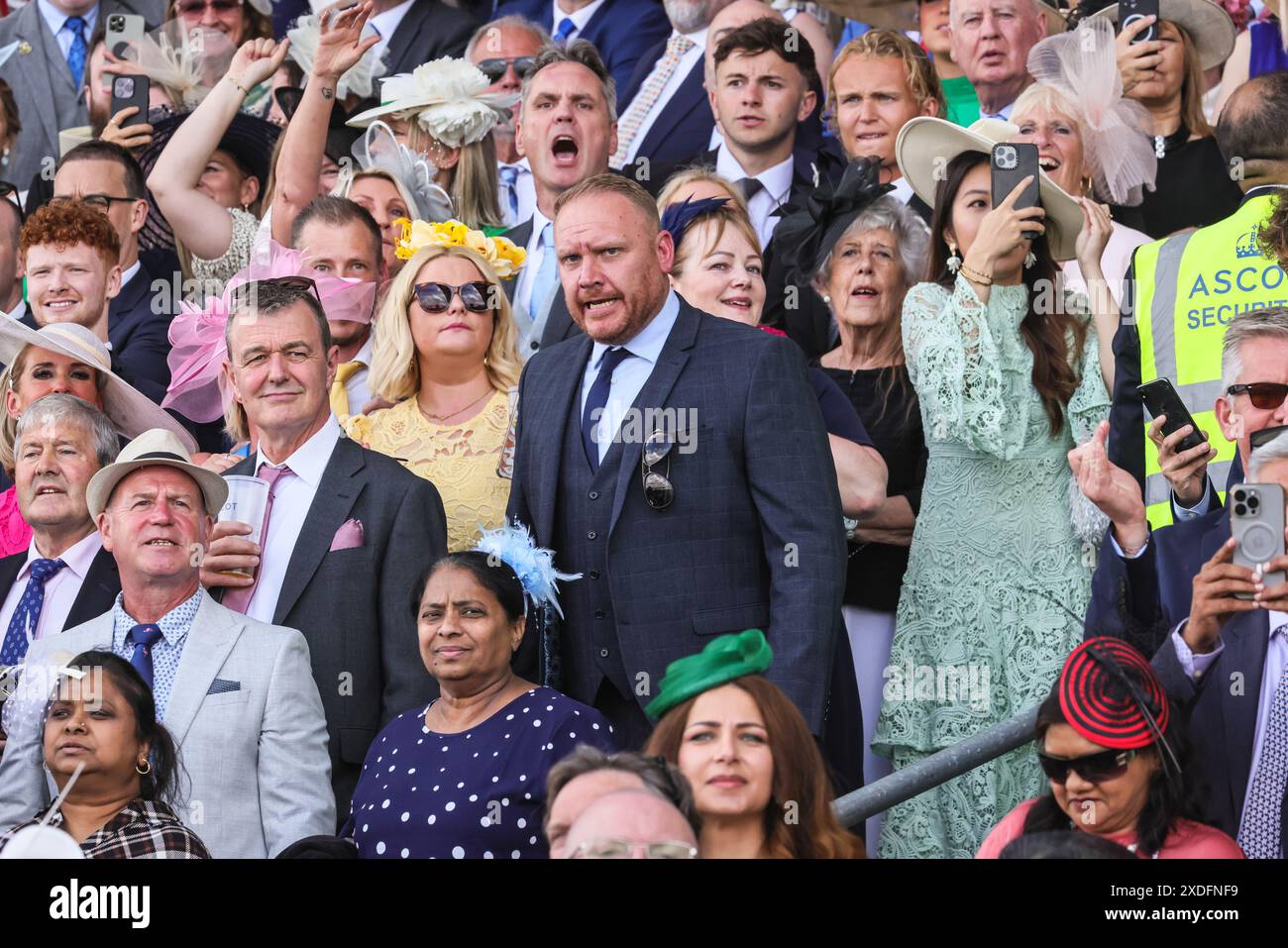
y affects the jockeys and trainers who depend on these events for their livelihood but also resonates through the betting industry and local economies that thrive around race tracks.
Economic Impact
The economic implications of halted races can be profound. Local businesses, hotels, and restaurants often experience a downturn in revenue when there is a lack of racing activities. For instance, during prominent racing weekends, local establishments can expect significant foot traffic from racegoers. When these events are cancelled or postponed, the ripple effect is felt across the community.
Community Engagement
Beyond the economic aspects, the community built around horse racing is irreplaceable. Race days serve as social gatherings where friendships are formed and celebrated. When racing events are not happening, alternative community engagements become essential. This could include virtual meet-ups, charity events, and training sessions that keep the camaraderie alive among fans and industry professionals.
Alternative Engagement During Off-Seasons
When races are not on, enthusiasts often look for alternative ways to engage with horse racing. This could include:
- Simulated Racing: Online platforms offer virtual racing experiences where users can place bets on simulated horse races, providing a semblance of the real experience.
- Horse Racing Books and Documentaries: Many fans spend the time reading up on historical races, biographies of legendary horses, and watching documentaries that delve into the intricacies of the sport.
- Community Volunteering: Engaging with horse rescue organizations or local stables for volunteering opportunities helps to maintain a connection with the equine world.
Online Platforms and Betting Alternatives
The rise of technology has also provided racing fans with various online platforms where they can not only place bets on alternative sports but also participate in discussions, forums, and even social media groups focused on racing. Podcasts and live streaming of past races are excellent ways for fans to reminisce about their favorite moments in horse racing history.
The Future of UK Horse Racing
Looking forward, it is essential to consider what changes may come to the UK horse racing landscape. Will there be adaptations in how races are organized, or will technology play a greater role in connecting fans with events? Moreover, public interest in horse racing can serve as a catalyst for educational initiatives, promoting responsible betting and animal welfare.
Advocating for the Sport
As members of the horse racing community, it is crucial to remain engaged and advocate for the sport even during times when races may not be happening. This can include participating in local meetings, supporting racing charities, and helping to keep the spirit of racing alive through conversation and social media outreach.
Conclusion
While the absence of UK horse racing events can be disappointing for many, it heralds opportunities for fans and communities to explore alternative paths of engagement, support, and advocacy for the sport. It is a time to reflect on what makes horse racing special, cherish the community built around it, and look forward to the thrill of race day, hopefully returning soon.
In conclusion, UK horse racing not being on may be a challenge, but it also allows the community to come together, strengthen bonds, and find new avenues to support the sport that ignites our passions. Let us continue to celebrate the rich history and bright future of horse racing, ensuring that the spirit remains undaunted, ready to gallop back into action.